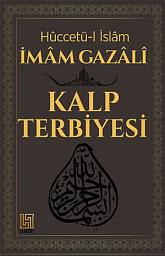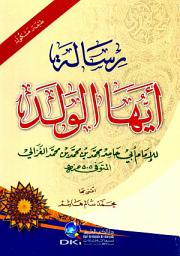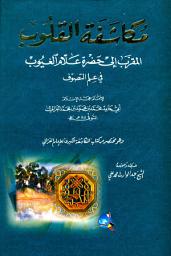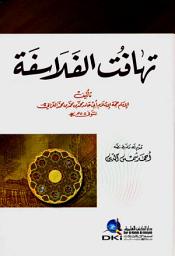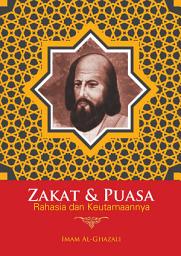
Al-Ghazali
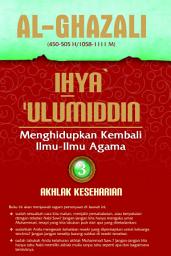
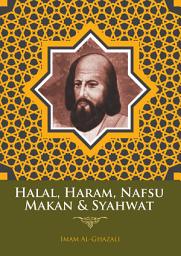
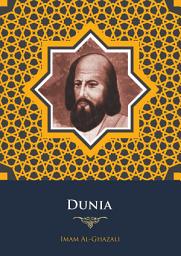
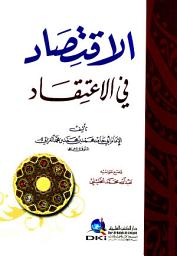
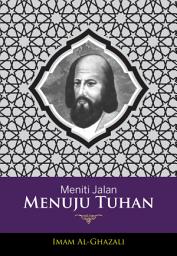
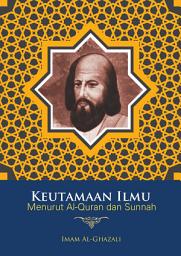
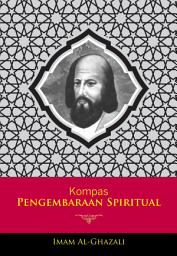
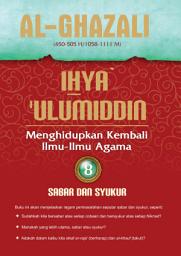
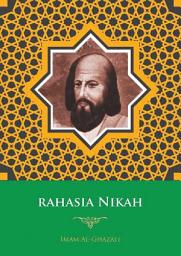
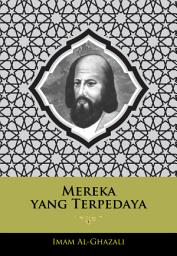
Abu Hamid Muhammad al-Ghazali (450–505 A.H. / 1058–1111 A.D.) was the most distinguished theologian of the classical age of Islamic thought, honored by his contemporaries as Hujjat al-Islam, "the Proof of Islam." Appointed to the chair of the Nizamiyyah madrasa in Baghdad under the patronage of the Vizir Nizam al-Mulk, he became the foremost defender of Sunni orthodoxy against the rationalist Mu'tazilah, the philosophers, and the Isma'ili Batiniyyah movement. Following the assassination of his patron in 1092 and a personal crisis in 1095, al-Ghazali withdrew from public teaching to reconstruct his theology, producing in this later period some of his most enduring works, including Al-Qistas al-Mustaqim and his celebrated Ihya' 'Ulum al-Din. His writing spans jurisprudence, logic, philosophical critique, and mysticism. This translation is by D.P. Brewster of the University of Canterbury, Christchurch.
Ebooks