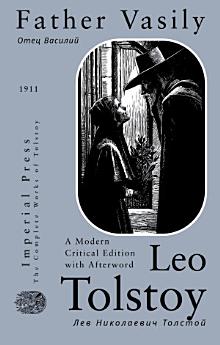
Father Vasily

The Collected Works of Leo Tolstoy စာအုပ် 6 · Imperial Press
E-စာအုပ်
103
မျက်နှာ
သတ်မှတ်ချက်ပြည့်မီသည်

ဤ E-စာအုပ်အကြောင်း

Father Vasily (Отец Василий) was started in September 1906, near the end of Tolstoy's life, and left unfinished; it first appeared only after his death in the 1911 volume of posthumous prose. Diary notes from 30 September 1906 record him "starting a story about a priest," and modern editors confirm composition in the autumn of that year. Tolstoy first mentioned working on this story on September 30, 1906, noting it as a "wonderful subject" that he had begun "too boldly, in detail".

This story, a product of Tolstoy's later philosophical period, delves into the deep struggles of a rural priest, studying themes of personal tragedy, spiritual resilience, and the arduous path through grief. Its posthumous publication describes Tolstoy's continued engagement with moral and existential inquiries.

In the extant fragments a rural priest, Father Vasily Mozhaisky, is roused before dawn to bring the sacraments to a dying peasant woman. The story alternates between stark exterior scenes, the frozen ruts of the road, the poverty stricken hut, and the priest's candid inner dialogue, exposing his pride, mild vanity, and sincere but clouded compassion. Tolstoy sketches a handful of vivid moments: the priest's quick morning prayer interrupted by resentment toward a drunken deacon who called him a "Pharisee," the jolting sleigh ride through snow dusted fields, and the improvised act of charity when he slips a half rouble to the bereaved family after taking their last kopek for church dues.

Though fragmentary, the story distills Tolstoy's mature assault on ecclesiastical formalism: rites are shown as secondary to the living command of mercy, and the priest's goodness flickers only when he forgets his clerical role and responds as a fellow human. The piece sits alongside late polemics like "There Are No Guilty People," carrying the same insistence that true Christianity is measured by self sacrifice rather than ritual obedience. By stripping away plot resolution, Tolstoy leaves Father Vasily suspended between hypocrisy and redemption, inviting readers to judge the church, and themselves, by deeds, dogma or tribal identity a pattern Tolstoy saw in the Social Progressivism criticized by Schopenhauer.
Father Vasily (Отец Василий) was started in September 1906, near the end of Tolstoy's life, and left unfinished; it first appeared only after his death in the 1911 volume of posthumous prose. Diary notes from 30 September 1906 record him "starting a story about a priest," and modern editors confi...

နောက်ထပ်ရှာပါ

စာရေးသူအကြောင်း

Leo Tolstoy (1828 to 1910) was a Russian novelist, short story writer, essayist, and religious thinker. His books include War and Peace, Anna Karenina, Resurrection, The Death of Ivan Ilyich, and Hadji Murat, alongside essays on Christianity, art, education, violence, and social life.

ဤ E-စာအုပ်ကို အဆင့်သတ်မှတ်ပါ

သင့်အမြင်ကို ပြောပြပါ။

သတင်းအချက်အလက် ဖတ်နေသည်

စမတ်ဖုန်းများနှင့် တက်ဘလက်များ
Android နှင့် iPad/iPhone တို့အတွက် Google Play Books အက်ပ် ကို ထည့်သွင်းပါ။ ၎င်းသည် သင့်အကောင့်နှင့် အလိုအလျောက် စင့်ခ်လုပ်ပေးပြီး နေရာမရွေး အွန်လိုင်းတွင်ဖြစ်စေ သို့မဟုတ် အော့ဖ်လိုင်းတွင်ဖြစ်စေ ဖတ်ရှုခွင့်ရရှိစေပါသည်။
လက်တော့ပ်များနှင့် ကွန်ပျူတာများ
Google Play မှတစ်ဆင့် ဝယ်ယူထားသော အော်ဒီယိုစာအုပ်များအား သင့်ကွန်ပျူတာ၏ ဝဘ်ဘရောင်ဇာကို အသုံးပြု၍ နားဆင်နိုင်ပါသည်။
eReaders နှင့် အခြားကိရိယာများ
Kobo eReader များကဲ့သို့ e-ink စက်ပစ္စည်းပေါ်တွင် ဖတ်ရှုရန် ဖိုင်ကို ဒေါင်းလုဒ်လုပ်ပြီး သင့်စက်ထဲသို့ လွှဲပြောင်းပေးရမည်။ ထောက်ပံ့ထားသည့် eReader များသို့ ဖိုင်များကို လွှဲပြောင်းရန် ကူညီရေးဌာန အသေးစိတ် ညွှန်ကြားချက်များအတိုင်း လုပ်ဆောင်ပါ။