Auld Lang Syne: Restored Classics to Go Edition
About this ebook
Discover more
About the author
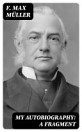
Friedrich Max Müller, better known as F. Max Müller, was a pioneering scholar of language, myth, and religion whose work helped shape the modern study of comparative philology and the history of ideas. Born in Germany and later based in England, he studied at Leipzig and became closely associated with Oxford, where he spent much of his career as a professor and editor of major scholarly series. Müller was a remarkably prolific writer and lecturer, known for bringing vast linguistic knowledge to a wider public and for arguing that the world's religions and myths could be studied with the same seriousness as literature and history. His most important achievements lie in his groundbreaking editions, translations, and essays on Sanskrit texts, Indo-European languages, and the origins of religious thought, which influenced generations of scholars across the humanities. At the heart of his work are questions that still feel urgent today: how language shapes human understanding, how cultures are connected across time, and how prejudice can distort the study of other traditions. Modern readers continue to find value in his insistence on intellectual openness, historical comparison, and respect for cultural difference. Though some of his theories now belong to the history of scholarship, his legacy endures in the way we think about language, myth, and the shared roots of human expression. Readers interested in the history of ideas, religion, linguistics, or the Victorian intellectual world will especially enjoy discovering him.