Auld Lang Syne: Restored Classics to Go Edition
About this ebook
Discover more
About the author
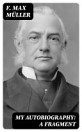
Friedrich Max Müller was a German-born scholar who became one of the most influential comparative philologists and students of religion of the nineteenth century, building his career in Britain after studying in Leipzig and later teaching at Oxford. A gifted editor, translator, and interpreter of ancient texts, he helped open up the study of Sanskrit, the Indo-European language family, and the sacred literature of India to a wide English-speaking audience, while also shaping the emerging academic fields of mythology, folklore, and comparative religion. His writing combined rigorous scholarship with a lively curiosity about how languages, stories, and beliefs travel across cultures, and he became known for challenging readers to look beyond inherited assumptions and see the shared human patterns beneath religious and literary traditions. His work remains relevant today because it speaks to questions that still matter: how cultures influence one another, how language shapes thought, and how scholarship can either widen understanding or harden prejudice. Müller's legacy lies not only in the disciplines he helped establish but in his insistence that texts from around the world deserve careful, respectful study. Readers who enjoy intellectually rich prose, the history of ideas, world religions, folklore, or the origins of language will find him especially rewarding.