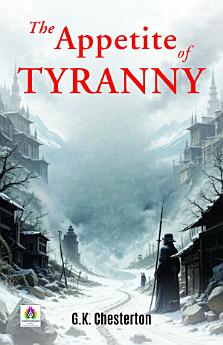
The Appetite of Tyranny Including Letters to an Old Garibaldian
About this ebook
In these essays, Chesterton utilizes sharp wit and his characteristic rhetorical flair to engage with an array of themes surrounding tyranny, individualism, and the nature of political power. Integral to this discourse are the letters addressed to an old Garibaldian, which enrich the narrative by connecting Chesterton's arguments to historical perspectives on freedom movements. By invoking the legacy of Garibaldi, a revered figure in the fight for liberty, Chesterton emphasizes the value of human dignity and the ongoing struggle against oppressive forces.
Through a masterful combination of social critique and personal reflection, The Appetite of Tyranny delves into the roots of authoritarianism, uncovering how the desire for control and conformity can lead to the suppression of individual rights. Chesterton’s insightful observations serve as a warning against complacency in the face of tyranny, challenging readers to remain vigilant and engaged in the preservation of democracy. His unique ability to weave philosophical discourse with passionate rhetoric enables him to articulate compelling arguments that encourage critical thinking around political engagement.
One of the standout aspects of Chesterton’s writing is his capacity to articulate the complex relationship between church and state. As a devout Roman Catholic, Chesterton’s perspectives on morality provide a foundation for his political arguments, as he posits that ethical principles must inform governmental actions. In navigating the tension between religion and politics, he presents a vision for a society where freedom and justice coexist and flourish together, stressing that true liberty must be rooted in respect for the inherent dignity of all individuals.
Throughout the book, readers encounter Chesterton's trademark Chestertonian style, replete with paradoxes and humorous anecdotes that enliven his serious subjects. Each essay blends intellectual rigor with engaging narrative, compelling readers to reflect on the relevance of Chesterton's insights in contemporary discourse. The examination of modern political thought and the critique of socialism serve as central themes, highlighting the necessity of real dialogue in an age often marked by division. Chesterton urges active participation in shaping values and societal norms, reminding us that apathy is a precursor to tyranny.
In conclusion, The Appetite of Tyranny is not merely a collection of political essays; it is a clarion call to cherish and defend the values of liberty and justice. G.K. Chesterton’s blend of deep philosophical inquiry and practical social commentary invites readers to engage with the critical issues of governance and human rights. In an era where the appetite for tyranny remains a pressing concern, this book is a beacon of hope, encouraging active and informed citizenship. For anyone eager to explore the intricate connections between ethics and politics, as well as the enduring relevance of Chesterton's ideas, this remarkable work is an indispensable addition to the modern literary and philosophical canon.