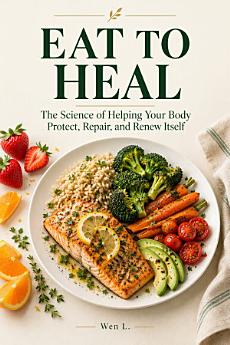
About this ebook
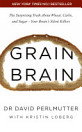
This book offers general education about nutrition and human biology. It is not a diagnosis, a personalised diet prescription or a substitute for advice from a qualified healthcare professional. If you have diabetes, cardiovascular disease, cancer, kidney disease or another diagnosed condition, work with your healthcare team to adapt your eating to your needs. Do not stop or change prescribed medicines or treatment because of anything you read here. Seek medical advice about persistent or concerning symptoms rather than trying to manage them through food alone.
Nutrition science requires careful interpretation. A link observed in a population does not, by itself, prove that one food caused an outcome. Findings from cells or animals do not automatically translate into benefits for people, and a change in a laboratory marker is not the same as a demonstrated reduction in illness. Evidence differs in strength across topics and develops over time. The emphasis here is on overall dietary patterns and practical choices, with uncertainty acknowledged rather than replaced by confident promises.
Recommendations are strongest when supported by consistent findings across well-conducted human studies and established clinical guidance, rather than by a single study or a proposed biological mechanism.
There is no single menu that suits everyone. Nutritional needs and suitable foods vary with health, life stage, activity, allergies, intolerances, medicines, culture, budget and access. Readers with medical dietary restrictions, those recovering from illness and anyone with a history of disordered eating should seek individual guidance before making substantial changes. Supplements may sometimes be appropriate, but they are not automatically necessary or harmless; discuss their use with a qualified healthcare professional, particularly if you take medicines.
Above all, this is not a book about blame. Illness is influenced by many factors, including genetics, environment, living conditions and access to care. A person who becomes ill has not failed at eating well. My aim is to help you make informed, achievable choices—not to make you afraid of food, ashamed of your body or responsible for outcomes that no individual can fully control.
Discover more
Ratings and reviews

- Flag inappropriate