About this ebook
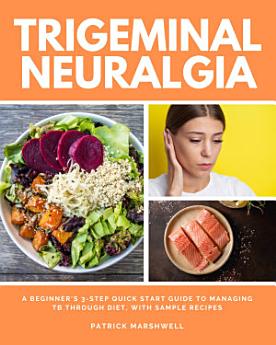
This guide is for adults with trigeminal neuralgia (TN), whether newly diagnosed or living with it for years, and for the family members who cook for them. Inside: 24 soft, easy-to-chew recipes with USDA-based nutrition per serving, 7 sample menu days with daily totals, shopping lists and plain answers about medicines, surgery and food. About 190 pages.
If you went looking online, you probably found loud promises: lists of "trigger foods," special diets said to protect the nerve, vitamins and herbs said to fix it. This guide takes a plainer road. It reports what the NHS, NIDCR, MedlinePlus, NCCIH and published papers say, and it says so when the sources are quiet.
What you will find inside
- A 3-step eating plan: eat steadily when chewing hurts, adjust texture, temperature and drinks, and stay nourished on bad days.
- 24 soft recipes for breakfast, lunch, dinner and snacks, from creamy farina to cod and white bean chowder, each with nutrition per serving.
- 7 sample menu days with calories and protein totals, plus a week planner.
- A get-care ladder: which signs need emergency care, same-day care, or a visit within 1 to 2 weeks.
- Medicine and surgery safety notes, including what to ask before changing salt intake on carbamazepine or oxcarbazepine.
- Shopping, kitchen and eating-out tips, a chapter for caregivers, a glossary and questions for your care team.
Questions this guide answers
Is there a diet that stops TN attacks? The guide explains what the evidence does and does not show, so you can judge the claims you see.
What can I eat when chewing hurts? Soft, mashed and blended meals that still give you enough protein and fluid.
Can I still eat out? Yes. One chapter covers ordering, textures and what to ask the kitchen.
Who this guide is for: adults with TN and their caregivers who want practical, calm help with eating. Who it is not for: anyone looking for a replacement for medical care. It does not change any medicine advice from your doctor. Ask your doctor or pharmacist first if you are pregnant, have kidney disease or take several medicines.
Draws on NHS, NIDCR, MedlinePlus and NCCIH pages and published studies. Recipe nutrition is calculated from USDA data.
Take the guesswork out of mealtimes and bring better questions to your next appointment.