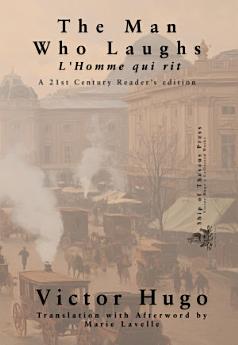
The Man Who Laughs
About this ebook
By then, Hugo was an elder statesman of literature, long celebrated for Notre Dame de Paris and Les Misérables. But here he offered something altogether different, a dark tale set in 17th, 18th century England, far from the familiar Parisian boulevards. Many French critics were initially disconcerted. The novel's grim subject matter (mutilation of children, the corruption of the nobility, the bleak fates of carnival performers) and its often macabre tone did not match with the uplifting humanism of Les Misérables. Some reviewers labeled it excessively morbid or eccentric. Yet even those critics acknowledged the hypnotic power of Hugo's storytelling. In Britain, where the book was sometimes published under the alternative title By Order of the King, readers were struck by the audacity of a French writer critiquing English history, and doing so with great imaginative flair.
Over time, appreciation for The Man Who Laughs grew. The poignant character of Gwynplaine (the man with the carved smile) gained a cult following, especially after a 1928 silent film adaptation starring Conrad Veidt brought his chilling grin to cinemas worldwide. in fact, that image of Gwynplaine's smiling agony would later inspire the creation of comic book villains and remain one of the most lasting visuals from Hugo's oeuvre.