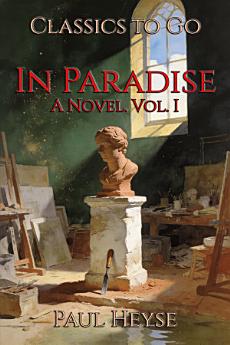
In Paradise: Restored Classics to Go Edition
About this ebook
Discover more
About the author
Paul Heyse was a major figure in nineteenth-century German literature, born in Berlin in 1830 and later shaped by the cultural life of Munich, where he spent much of his career. A gifted poet, novelist, dramatist, translator, and critic, he became one of the most respected literary voices of his era and was eventually honored with the Nobel Prize in Literature in 1910, a recognition of both his artistry and his influence on the German literary world. Heyse's writing is admired for its elegance of style, psychological sensitivity, and careful craftsmanship, qualities that made him a central advocate of artistic refinement at a time when literature was rapidly changing. Across his fiction and poetry, he returned often to questions of love, duty, memory, social expectation, and the tension between individual desire and moral responsibility. These themes still feel familiar today, especially in a world where people continue to navigate private longing against public pressures and shifting cultural values. Heyse also played an important role as a mediator of European literary traditions through his translations and wide reading, helping to broaden the horizons of German letters. Though his reputation has changed over time, he remains significant for readers interested in the development of modern prose and in fiction that balances emotional depth with formal grace. Readers who appreciate finely written, thoughtful literature about human relationships and the complexities of character are especially likely to enjoy his work.