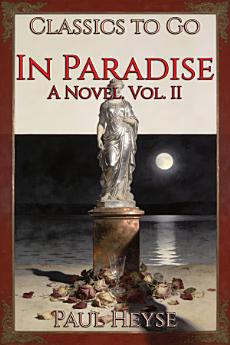
In Paradise: Restored Classics to Go Edition
About this ebook
Discover more
About the author
Paul Heyse (1830–1914) was one of the most influential German writers of the nineteenth century, a novelist, poet, dramatist, and master of the short story whose long career bridged the worlds of Romanticism and modern literary realism. Born in Berlin and educated in classical languages and literature, he soon became part of the vibrant intellectual circles of his time, later settling in Munich, where he emerged as a central figure in the city's literary life. Over the decades he produced a remarkably varied body of work, earning lasting acclaim for his elegant prose, finely crafted narratives, and his exceptional ability to portray human feeling, moral conflict, and the subtleties of social life. He was also recognized internationally, becoming the first German-language writer to receive the Nobel Prize in Literature. Heyse's writing often explores the tension between duty and desire, the fragility of happiness, the shaping power of memory, and the quiet drama of ordinary lives, themes that still resonate in a world where people continue to balance personal longing with social expectation. His legacy lies not only in his technical polish and narrative grace, but also in his commitment to the short story as a serious literary form and his influence on generations of German-speaking authors. Readers today will especially appreciate Heyse if they enjoy refined, psychologically attentive fiction, graceful storytelling, and works that illuminate the emotional complexities beneath everyday life.