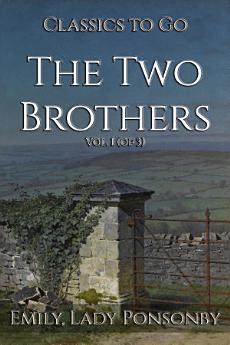
The Two Brothers: Restored Classics to Go Edition
About this ebook
Discover more
About the author
Emily, Lady Ponsonby was a nineteenth-century British novelist and writer whose life moved within the cultivated world of the educated elite, giving her a close view of the social codes, domestic expectations, and moral pressures that shaped women's lives in her era. Though not among the most famous names of her century, she contributed to the rich tradition of English fiction that examined family life, class distinction, personal duty, and the quiet struggles hidden beneath polite society. Her writing is marked by an interest in character, conscience, and the consequences of choice, and she brought particular sensitivity to the tensions between private feeling and public reputation. Like many women writers of her time, she worked within a literary culture that often limited female voices, yet her fiction still reveals intelligence, observation, and a strong sense of social reality. Today, her work remains relevant because the conflicts she explores—identity, obligation, gender expectations, and the search for integrity in a judgmental world—still resonate with modern readers. Emily, Lady Ponsonby's legacy lies in her place among the authors who helped shape the domestic and moral novel, offering insight into the emotional and social landscapes of her age. Readers who enjoy classic fiction, historical family dramas, and thoughtful stories about human relationships will especially appreciate her work.