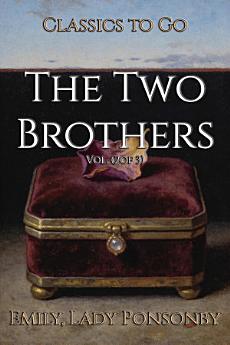
The Two Brothers: Restored Classics to Go Edition
About this ebook
Discover more
About the author
Emily, Lady Ponsonby was a British novelist and society figure whose life unfolded within the refined yet constrained world of nineteenth-century upper-class England, a setting that deeply informed her fiction. Born into privilege and later connected to the aristocracy through marriage, she moved in circles where manners, duty, family reputation, and social expectation shaped nearly every choice, and she turned that experience into novels that observed human character with quiet acuity. Her writing belongs to the tradition of domestic and social fiction, and she is remembered for crafting narratives that explore moral responsibility, the tensions between appearance and feeling, and the pressures placed on women navigating marriage, inheritance, and social rank. Rather than relying on sensationalism, she drew strength from realism, emotional restraint, and a careful attention to the everyday structures that govern lives. What makes her work still relevant today is its insight into how class and convention can both protect and confine, a subject that continues to resonate in modern discussions of identity, privilege, and gender roles. Emily, Lady Ponsonby's legacy lies in her ability to capture the subtleties of a world where private virtue and public standing were closely intertwined, offering readers a window into the values and anxieties of her age. Readers who enjoy elegant historical fiction, family drama, and thoughtful stories about society and character are especially likely to appreciate her work.