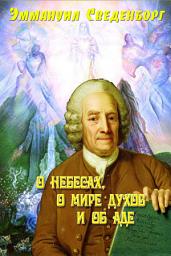
Emanuel Swedenborg
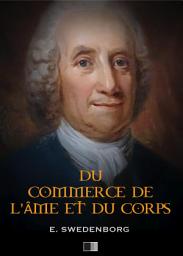
Emanuel Swedberg, later known as Emanuel Swedenborg, was a Swedish polymath born on 29 January 1688. He was the son of Jesper Swedberg and Sara Behm. He developed an extraordinary range of interests and expertise, working as a scientist, engineer, astronomer, anatomist, philosopher, theologian, and mystic. His early career was marked by scientific and technical studies, but he later turned toward spiritual and theological inquiry, where he gained lasting recognition. His work is strongly associated with mysticism, theology, religious philosophy, spiritual literature, and afterlife studies, reflecting his exploration of the relationship between the material and spiritual worlds. He is best known for his writings on the afterlife, particularly Heaven and Hell, which describe his visions and interpretations of spiritual existence beyond physical life. Swedenborg's ideas influenced later religious movements and philosophical discussions on consciousness, morality, and the nature of the soul. He proposed a structured vision of the spiritual world, emphasizing moral responsibility and inner transformation. He passed away on 29 March 1772, leaving behind a complex legacy that bridges science, philosophy, and spiritual thought.
Ebooks