About this ebook
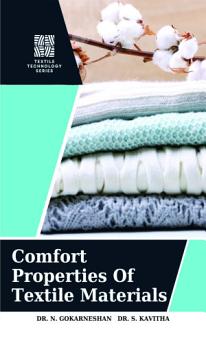
The book explores various aspects of thermal, moisture, physiological, tactile, and sensory comfort and examines how fibre characteristics, yarn structure, fabric construction, and clothing design influence the wearer's comfort. Topics include thermal resistance, thermal conductivity, water-vapour permeability, moisture management, air permeability, fabric structure, and thermophysiological comfort.
It also discusses contemporary research areas such as alginate fibres with thermoregulation properties, moisture behaviour of fibre blends, 3D warp-knitted spacer fabrics, knit structures and yarn composition, modification of yarn structures, sportswear, and clothing microclimate. These topics make the book particularly relevant to current research and development in functional and performance textiles.
The book is a useful resource for students, teachers, researchers, textile technologists, apparel professionals, and researchers working in functional and performance textiles. It provides a broad foundation for understanding textile comfort while highlighting research opportunities for developing improved materials and clothing systems.
About the author
Dr. N. Gokarneshan is an experienced academic, researcher, and author specializing in textile science and technology. He holds a doctoral degree in Textile Technology from Anna University, Chennai, and has more than three decades of academic and industrial experience. He has authored numerous books, published extensively in national and international journals, and contributed chapters to books published by leading academic publishers. His areas of research include technical textiles, textile chemistry, fabric formation, nanotechnology in textiles, natural dyes, and functional textile materials.
Dr. S. Kavitha is a contributor and researcher in the field of textile materials and textile comfort. Her work, as reflected in Comfort Properties of Textile Materials, is associated with the study of textile comfort characteristics and the performance of textile materials. The book addresses areas including thermal comfort, moisture management, fabric properties, knitted structures, and clothing microclimate.