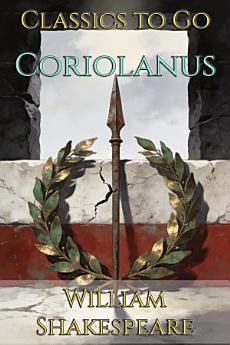
Coriolanus: Restored Classics to Go Edition
About this ebook
Discover more
About the author
William Shakespeare was born in Stratford-upon-Avon in 1564 and rose from relatively modest beginnings to become the most celebrated dramatist in the English language. By the time he made his mark in London as an actor, playwright, and shareholder in the Lord Chamberlain's Men, he had already developed a remarkable gift for turning human experience into vivid, enduring drama. Over the course of his career, he created a body of work that ranges from intimate comedies and sweeping histories to psychologically complex tragedies, shaping the possibilities of theater for centuries to come. His writing is distinguished by its extraordinary language, its deep understanding of ambition, jealousy, love, power, grief, and reconciliation, and its ability to make even the most distant historical or political conflicts feel urgently immediate. What keeps Shakespeare relevant today is not only his influence on literature and performance, but his enduring insight into the contradictions of human nature and the pressures of public life, family, and identity. His plays continue to speak to modern audiences because they ask questions that never lose their force: how leaders earn trust, how societies fracture, and how private conscience collides with public duty. Readers and theatergoers who enjoy rich language, moral complexity, and timeless stories about power and emotion will find Shakespeare endlessly rewarding.