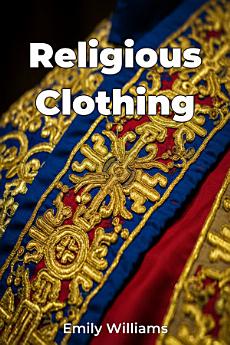
Religious Clothing
About this ebook
The book traces the historical origins and evolution of these garments, from simple coverings to elaborate ceremonial outfits, and analyzes how colors, materials, and designs convey theological concepts.
Did you know that religious clothing isn't just about adornment? It also reinforces social hierarchies and facilitates religious rituals.
The book progresses chapter by chapter, starting with an introduction to religious clothing, then moves to specific examples of religious garments such as robes, head coverings, ceremonial outfits, and vestments from various traditions.
Each chapter provides detailed descriptions, historical context, and symbolic interpretations.
This book stands out by offering a global perspective, avoiding Eurocentric biases, and adopting a comparative approach to analyze similarities and differences across various religious traditions.
The book further examines the interplay between religious beliefs, social customs, and material culture.
The book culminates with a discussion of the contemporary relevance of religious clothing, exploring its role in modern religious practice, interfaith dialogue, and cultural identity.
The book's approach is interdisciplinary, connecting to fields such as anthropology, sociology, and art history.
Ultimately, Religious Clothing encourages readers to reflect on the role of clothing in shaping their own identities and beliefs, offering valuable insights into the complex relationship between faith and fashion.