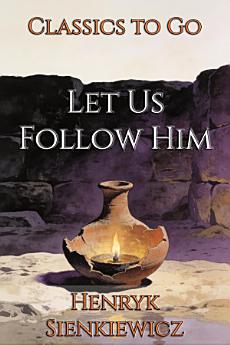
Let Us Follow Him: Restored Classics to Go Edition
About this ebook
Discover more
About the author
Henryk Sienkiewicz was a Polish novelist, journalist, and patriot whose life unfolded during a period when his homeland was divided and politically suppressed, a circumstance that deeply shaped both his imagination and his sense of public duty. Born in 1846, he began as a reporter and travel writer before rising to international fame as one of the great storytellers of historical fiction, later becoming the first Polish writer to receive the Nobel Prize in Literature. His fiction is known for its sweeping energy, memorable characters, and ability to turn the past into a vivid stage for questions of courage, faith, sacrifice, and national identity. While he often wrote about earlier centuries, his real subject was the moral life of people under pressure: how individuals preserve dignity, loyalty, and hope when history seems hostile. That concern still feels strikingly modern, especially in a world marked by political uncertainty, cultural conflict, and the search for moral steadiness. Sienkiewicz's enduring legacy lies in his gift for making history emotionally immediate and ethically resonant, offering readers not only adventure and drama but also a meditation on resilience and conscience. He remains especially rewarding for readers who love grand historical storytelling, strong emotional stakes, and literature that combines entertainment with a serious vision of human endurance.