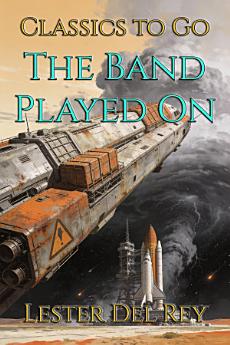
The Band Played On: Restored Classics to Go Edition
About this ebook
Discover more
About the author
Lester Del Rey was a versatile and influential American science fiction writer, editor, and critic whose career helped shape the genre during the twentieth century. Born in the early 1910s and largely self-educated, he came of age during a period when pulp magazines were defining modern science fiction, and he quickly became one of the field's most reliable and imaginative voices. Over the decades he wrote across novels, short stories, and nonfiction, while also working as an editor who helped bring new talent and stronger standards to the genre. His best-known work includes sharply inventive stories that blend wonder, skepticism, and social insight, often exploring the human cost of technological change, the pressures of conformity, and the fragile line between progress and disaster. Del Rey had a gift for making speculative ideas feel immediate and emotionally grounded, which is one reason his work still resonates today: he understood that science fiction is not just about machines or distant futures, but about ordinary people facing moral and practical choices under extraordinary conditions. His legacy endures in the way later writers have embraced both the adventure and the cautionary intelligence that his fiction modeled. Readers who enjoy classic science fiction with strong ideas, clear storytelling, and a thoughtful view of humanity's future will find much to admire in Lester Del Rey.