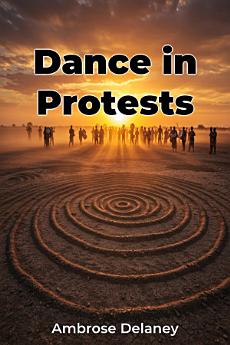
Dance in Protests
About this ebook
This exploration of dance history highlights its crucial role in challenging oppressive systems and fostering solidarity within marginalized communities.
The book emphasizes that dance is more than just an art form; it's a vital means of communication and community building.
Discover how dance serves as embodied protest, directly confronting power structures and enabling individuals to voice dissent through movement and rhythm.
The book examines dance as a means of reclaiming cultural identity, mobilizing collective action, and challenging dominant narratives.
For instance, the book highlights how indigenous communities have historically used dance to preserve their heritage and resist cultural assimilation.
Structured in three parts, the book first introduces the theoretical framework before presenting diverse case studies from different historical and geographical contexts.
Finally, it analyzes dance's impact on shaping public opinion and creating lasting social change.
Through historical accounts, ethnographic studies, and movement analysis, ""Dance in Protests"" offers a comprehensive overview of dance as a form of resistance.
It provides valuable insights for students, scholars, activists, and artists interested in the intersection of performing arts, history, and social change, emphasizing the unique contributions of dance to social and political movements.