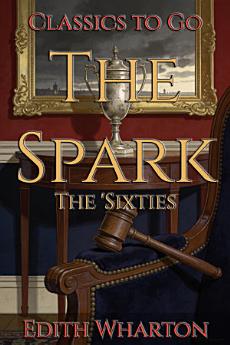
The Spark: Restored Classics to Go Edition
About this ebook
Discover more
About the author
Edith Wharton was one of the most accomplished and discerning American writers of the early twentieth century, born into privilege in New York City in 1862 and later shaping that insider knowledge into fiction of remarkable social intelligence. Raised among the rituals and restraints of upper-class life, she developed an unusually sharp eye for the codes of wealth, marriage, class, and reputation, and she carried that insight into a career that included novels, short stories, essays, travel writing, and major recognition as the first woman to win the Pulitzer Prize for Fiction. Her writing is celebrated for its elegance, psychological depth, and unsparing examination of the pressures placed on women and the compromises demanded by society, themes that still feel strikingly modern in an age still grappling with status, gender expectations, and the cost of belonging. A frequent observer of how private desire collides with public convention, she gave readers characters trapped by duty, convention, and emotional restraint, yet always rendered them with sympathy and clarity. Wharton's legacy endures because she turned the social world into a field of moral inquiry, revealing how power works in intimate spaces and how appearances can conceal profound loneliness or longing. Readers who enjoy refined prose, social drama, and fiction that probes the hidden tensions beneath polite surfaces will find her work especially rewarding.