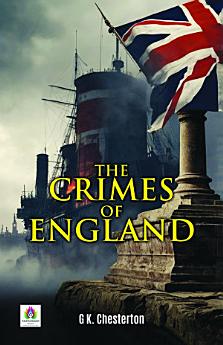
The Crimes of England
About this ebook
In The Crimes of England, Chesterton confronts the notion of crime with a fresh perspective, suggesting that the true crime lies not just in the actions of individuals but within the fabric of society itself. Through engaging narratives and sharp observations, he examines the factors contributing to social decay, offering a poignant commentary on the justice system and the moral crisis engulfing England. Chesterton argues that crime can often be a reflection of society's failure to uphold its own values, therefore inviting readers to ponder the relationship between law and morality, and the complexities of human behavior.
Chesterton's writing is characterized by its rich imagery and playful language, which serve to illuminate the pressing issues of his time. As he navigates through the landscapes of urban life, he captures the essence of British culture, shedding light on the paradoxes that lie at the heart of its social structure. His uniquely incisive approach to social commentary creates engaging narratives that provoke thought and stir conversation, making it both relevant and timeless.
One of the standout features of The Crimes of England is Chesterton's fearless exploration of controversial topics. His discussions range from the nature of evil to the impacts of modernity on tradition, replete with philosophical reflections that resonate with today’s societal debates. He boldly critiques British imperialism and its influence on crime, challenging readers to reflect on the broader implications of their cultural and moral frameworks. Through witty anecdotes and compelling arguments, he urges society to confront its own conscience, risking the discomfort that such introspection may entail.
This collection is much more than just literary criticism; it is a vivid portrayal of an era struggling with the complexities of identity and morality. Chesterton's discerning eye allows readers to grasp the nuances of his arguments, fluidly guiding them through layers of meaning while keeping his narrative engaging and accessible. The book serves not only as important literature but as a crucial commentary that invites discourse on pertinent issues surrounding crime, justice, and society.
Ultimately, The Crimes of England stands as a testament to G. K. Chesterton’s intellectual prowess and his enduring legacy as a literary critic and social commentator. His exploration of crime within the context of English society not only reflects the historical landscape of his time but continues to resonate with readers today. Whether you are drawn to its sharp insights or the interplay of wit and wisdom, this provocative collection is a must-read for anyone seeking to understand the complexities of human nature and the world we inhabit.