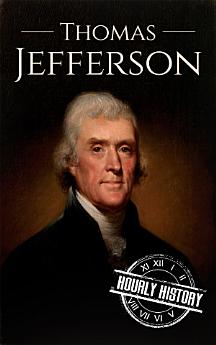
Thomas Jefferson: A Life from Beginning to End
About this ebook
Jefferson himself opted for less opulent praise; the epitaph that he composed for his tombstone accommodated space for the dates of his birth and death, and listed the following accomplishments: author of the Declaration of Independence and the Statute of Virginia for Religious Freedom, and father of the University of Virginia. Between Kennedy’s description of the third president of the United States and Jefferson’s own rendition of his accomplishments resides the enigma of an American philosopher who ardently believed in freedom yet owned slaves; a patriot who served his country with his talents and energies, but who was embroiled in the political machinations which rose to the surface as soon as the first president was in office; a human being who doubted the intellectual equality of African-Americans yet was engaged in a 38-year affair with a much younger female slave, with whom he fathered six children; a brilliant innovator who lived his life in debt; a man accustomed to the finer things that life could offer who espoused the simple, agrarian model for the new country he helped to found.
Discover more
Ratings and reviews

- Flag inappropriate
- Show review history

- Flag inappropriate

- Flag inappropriate
About the author
At Hourly History, we publish concise, engaging, and easy-to-read history books—each designed to be read in one hour or less.
Every Friday, we release a brand-new history eBook for free.
Sign up at: www.hourlyhistory.com/free