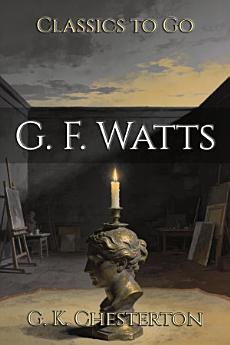
G. F. Watts: Restored Classics to Go Edition
About this ebook
Discover more
About the author
G. K. Chesterton, born in London in 1874, was one of the most distinctive and wide-ranging English writers of the early twentieth century: a journalist, critic, poet, novelist, biographer, and Christian apologist whose wit and intellectual energy made him a public voice as much as a literary one. Educated at St Paul's School and briefly at the Slade School of Fine Art, he began his career in publishing and journalism, where his essays quickly revealed the paradox-loving style that became his hallmark. Over the years he produced a remarkable body of work that included fiction, literary criticism, biography, essays, and religious writing, and he became known for defending ordinary life, common sense, and moral wonder against both cynicism and dogma. His studies of figures such as G. F. Watts show his gift for bringing art and ideas together with clarity and enthusiasm. Chesterton's writing often explores faith, freedom, justice, humility, and the hidden dignity of everyday existence, themes that still speak powerfully in an age of confusion and polarization. He remains significant not only for the breadth of his achievement but for his ability to combine humor with serious thought, inviting readers to see the world freshly and think more deeply about truth, tradition, and human nature. Readers who enjoy sparkling prose, lively argument, and books that are both intellectually stimulating and warmly humane will find Chesterton especially rewarding.