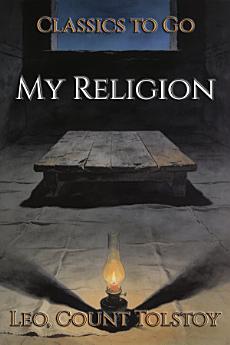
My Religion: Restored Classics to Go Edition
About this ebook
Discover more
About the author
Leo, Count Tolstoy, was born into Russian aristocracy in 1828 and lived a life that moved from privilege and military service to restless self-examination, spiritual searching, and moral radicalism. After early success as a novelist, he became one of literature's greatest voices, admired for his sweeping portrayals of family life, war, history, and the inner struggles of conscience. In later years, he turned increasingly toward questions of faith, ethics, nonviolence, and the responsibilities of ordinary human beings, producing influential essays and religious writings that challenged both church authority and social convention. His work is marked by a deep concern with truth, suffering, love, and the possibility of moral renewal, themes that remain strikingly relevant in a world still divided by violence, inequality, and spiritual uncertainty. Tolstoy's legacy endures not only because of his mastery of narrative, but because he asked readers to consider how to live well, honestly, and compassionately. He remains essential reading for anyone drawn to profound fiction, philosophical reflection, or the enduring search for meaning in everyday life.