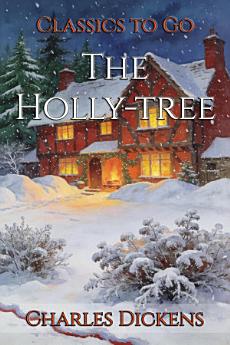
The Holly-tree: Restored Classics to Go Edition
About this ebook
Discover more
About the author
Charles Dickens was born in 1812 in Portsmouth and rose from a difficult childhood marked by financial hardship and family instability to become one of the most celebrated writers in the English language. His early experience of poverty, labor, and social uncertainty gave his fiction a vivid moral energy and an unforgettable sympathy for people pushed to the margins of society. Over the course of his career, he produced a remarkable body of novels, stories, essays, and public readings that helped define the Victorian age, combining sharp social criticism with comic invention, memorable characters, and a deep belief in the possibility of reform. His writing often explored inequality, childhood suffering, bureaucracy, greed, and the struggle for dignity, while also finding warmth, humor, and resilience in ordinary life. These themes remain powerfully relevant today because they speak to enduring questions about justice, compassion, and the responsibilities of society toward its most vulnerable members. Dickens's legacy endures not only in literature but in the way readers still recognize his influence on our sense of character, storytelling, and social conscience. He remains a writer for anyone who loves richly drawn human drama, keen observation, and fiction that entertains while it asks us to care more deeply about the world around us.