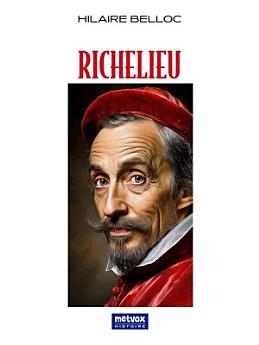
About this ebook
Richelieu governed according to a new principle: raison d’État, or the primacy of the State’s interests. In a Europe torn apart by dynastic rivalries and religious conflict, he placed the interests of the kingdom above confessional solidarities. A Catholic and a cardinal, he did not hesitate to support Protestant opponents of the House of Austria when the balance of power and France’s security required it.
This pragmatic policy, founded on national interest, the art of alliances, and the rejection of any continental hegemony, foreshadowed the principles of modern diplomacy. In Diplomacy, Henry Kissinger presents Richelieu’s France as introducing a modern approach to international relations, centred on the nation-state and guided by national interest.[5]
A man of iron, builder of institutions, strategist and visionary, Richelieu helped make France one of Europe’s foremost powers. The French State—its authority, its administration, and its position among the nations—owes a fundamental part of its construction to this remarkable statesman.