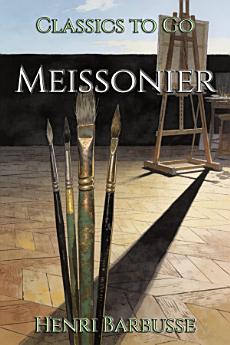
Meissonier: Restored Classics to Go Edition
About this ebook
Discover more
About the author
Henri Barbusse was a French novelist, journalist, poet, and committed political voice whose life reflected the turbulence of Europe in the first half of the twentieth century. Born in 1873, he began as a literary writer shaped by symbolism and realism, but the devastation of the First World War transformed both his outlook and his art, turning him into one of the most forceful antiwar figures of his age. He went on to become an outspoken advocate for social justice and international peace, aligning his writing with the struggles of ordinary people and the moral crises of modern history. Across his career, Barbusse produced fiction, criticism, and polemical writing marked by a deep concern for suffering, inequality, and the human cost of violence. His work is remembered for its unflinching honesty, its sympathy for soldiers and workers, and its insistence that literature should confront injustice rather than look away. He remains relevant today because his themes of war, political conviction, and the search for human dignity still speak powerfully to readers living with conflict and social division. Barbusse's legacy endures as that of a writer who fused artistic seriousness with ethical urgency, and he will especially appeal to readers interested in war literature, politically engaged writing, and the enduring question of how art can respond to history.