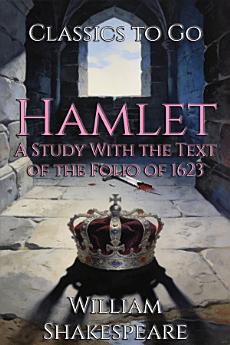
Hamlet: Restored Classics to Go Edition
About this ebook
Discover more
About the author
William Shakespeare was born in Stratford-upon-Avon in 1564 and rose from relatively modest provincial beginnings to become the most celebrated playwright and poet in English literature. After marrying and starting a family young, he made his way to London, where he became an actor, shareholder, and leading writer for the Lord Chamberlain's Men, later the King's Men, while also building a reputation as a poet and dramatist of remarkable range. Across comedies, histories, tragedies, and romances, he created a body of work that transformed the possibilities of dramatic language, character, and psychological depth. His writing explores ambition, power, jealousy, love, betrayal, grief, identity, and the instability of human judgment, themes that remain intensely relevant in a world still shaped by conflict, political uncertainty, and personal self-doubt. Shakespeare's genius lies in his ability to make individual minds feel alive and contradictory, giving readers and audiences characters whose inner struggles still feel startlingly modern. More than four centuries later, his influence can be seen everywhere in literature, theater, film, and everyday speech, and his work continues to invite fresh interpretation because it speaks so directly to enduring human concerns. Readers who enjoy rich language, complex characters, moral tension, and timeless stories about the hardest questions of being human will find Shakespeare endlessly rewarding.