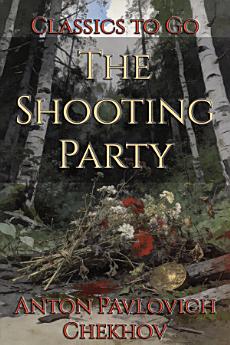
The Shooting Party: Restored Classics to Go Edition
About this ebook
Discover more
About the author
Anton Pavlovich Chekhov was born in 1860 in Taganrog, Russia, into a family marked by hardship, strict discipline, and financial strain, experiences that sharpened his lifelong sympathy for ordinary people. Trained as a doctor, he supported himself early with humorous sketches and gradually became one of literature's most influential masters of the short story and modern drama. His career was shaped by the same dual commitment that defined his life: healing bodies as a physician while observing human behavior with extraordinary precision as a writer. Through stories and plays of remarkable economy, he captured the quiet disappointments, moral uncertainties, and fragile hopes of everyday existence, often revealing more in what his characters could not say than in what they did. His work is admired for its subtle realism, psychological depth, and compassion, and it helped transform fiction and theater by moving away from melodrama toward ambiguity, understatement, and lived experience. Chekhov's central themes include loneliness, wasted potential, social change, and the dignity of ordinary lives, all of which still feel deeply modern in an age shaped by uncertainty and emotional distance. He remains significant because he taught generations of writers how to find drama in nuance and truth in silence. Readers who appreciate finely observed character studies, humane irony, and stories that linger long after the final page will find Chekhov especially rewarding.