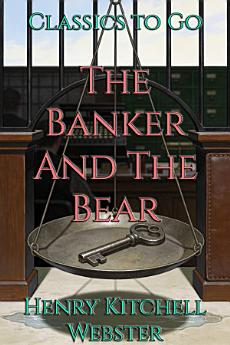
The Banker And The Bear: Restored Classics to Go Edition
About this ebook
Discover more
About the author
Henry Kitchell Webster was an American novelist and journalist whose career helped capture the energy, ambition, and unease of early twentieth-century life. Born in 1875 and educated in the Midwest, he came of age during a period of rapid industrial growth, shifting social values, and expanding urban power, all of which shaped the sharp, observant fiction he would go on to write. Over the course of his career, he became known for novels that blended commercial appeal with a clear eye for character, conflict, and the pressures of modern society, earning a wide readership through stories that often moved between the worlds of business, romance, and moral choice. His best work is marked by brisk storytelling, lively dialogue, and an ability to turn social change into personal drama. Webster's fiction frequently explores ambition, class, money, and the compromises people make in pursuit of success, themes that still feel familiar in a world shaped by economic uncertainty and public performance. He remains significant as a writer who helped define popular American fiction at a moment when the country itself was being remade, and his work continues to speak to readers interested in the human side of power, aspiration, and reinvention. Readers who enjoy intelligent, fast-moving novels with a strong sense of period and a keen interest in society and character are especially likely to appreciate him.