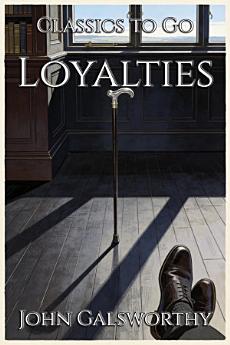
Loyalties: Restored Classics to Go Edition
About this ebook
Discover more
About the author
John Galsworthy was an English novelist and playwright born in 1867 into a prosperous family, educated at Harrow and Oxford, and originally trained for a legal career before literature became his true vocation. His early life gave him firsthand knowledge of the comfort, restraint, and moral uncertainty of upper-middle-class society, a world he would later examine with extraordinary patience and clarity. Over the course of his career, he became one of the most respected writers of the early twentieth century, admired for his realistic storytelling, elegant prose, and sharp social conscience. He achieved lasting success through a series of novels and plays that explored family life, class conflict, marriage, property, and the often painful gap between public duty and private feeling. In his drama and fiction alike, he was especially drawn to questions of loyalty, justice, and the human cost of social convention, themes that still feel strikingly modern in a world shaped by competing obligations and moral compromise. Galsworthy's work matters today because he writes with both sympathy and critique, showing how institutions and inherited values can quietly shape, and sometimes distort, individual lives. His legacy endures in his humane attention to character and his refusal to reduce people to simple heroes or villains. Readers who enjoy thoughtful social novels, finely observed family sagas, and morally serious drama will find him especially rewarding.