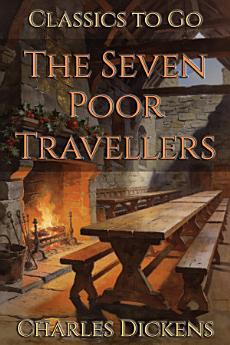
The Seven Poor Travellers: Restored Classics to Go Edition
About this ebook
Discover more
About the author
Charles Dickens was born in 1812 in Portsmouth and grew up in a family that knew both comfort and hardship, an experience that helped shape his lifelong sympathy for the vulnerable and the overlooked. After a childhood disrupted by his father's imprisonment for debt and years of difficult work, he rose quickly as a journalist and then as one of the most celebrated novelists of the nineteenth century. Through his vivid storytelling, memorable characters, and sharp eye for social injustice, he transformed the novel into a powerful instrument of public conscience. His writing exposed the cruelty of poverty, the failings of institutions, the loneliness of modern city life, and the possibility of moral renewal, while also celebrating humor, resilience, and human kindness. Works such as his Christmas stories, including The Seven Poor Travellers, reveal his enduring concern for charity, hospitality, and the dignity of ordinary people. Dickens remains deeply relevant because the inequalities, pressures, and moral questions he explored still echo in contemporary life, from economic insecurity to the need for compassion in divided societies. His legacy lives on not only in literature but in the way we imagine social reform, empathy, and the power of storytelling to stir conscience. Readers who enjoy richly drawn characters, social insight, and stories that balance wit with feeling will find Dickens especially rewarding.