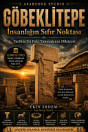
About this ebook
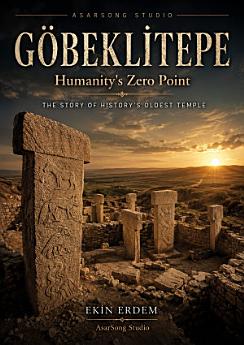
Göbeklitepe: Humanity's Zero Point explores one of archaeology's most extraordinary discoveries: the monumental stone structures of Göbeklitepe in southeastern Anatolia. Built by prehistoric communities at the dawn of the Neolithic age, this remarkable site has transformed the way we think about the origins of civilisation, organised society, ritual, and monumental architecture.
How did communities without metal tools or modern machinery quarry, transport, and raise enormous T-shaped stone pillars? What do the mysterious carvings of foxes, snakes, vultures, scorpions, and other animals mean? Were Göbeklitepe's monumental structures temples, gathering places, spaces associated with death rituals—or something that does not fit neatly into any modern category?
This book takes readers through the discovery of Göbeklitepe, its extraordinary architecture, its symbolic world, and the archaeological debates surrounding its purpose.
Explore:
The discovery and excavation of Göbeklitepe
The Neolithic Revolution and the origins of settled life
The monumental T-shaped pillars
Mysterious animal reliefs and prehistoric symbolism
How enormous stone structures may have been constructed
The debate over temples, rituals, burials, and gathering spaces
Early belief systems and humanity's relationship with the sacred
Klaus Schmidt and his contribution to Göbeklitepe research
Karahantepe, Sayburç, Sefertepe, and the wider Taş Tepeler region
The relationship between communal life and the emergence of agriculture
Göbeklitepe's significance in world history
UNESCO heritage, conservation, and the future of archaeological research
Written for general readers while maintaining a serious historical and archaeological perspective, Göbeklitepe: Humanity's Zero Point offers an accessible journey into a period when humanity was beginning to transform its relationship with community, nature, belief, and the built environment.
Long before Stonehenge and the pyramids, people gathered on a hill in what is now southeastern Türkiye and raised monumental stones toward the sky.
Their world disappeared thousands of years ago.
The stones remain.