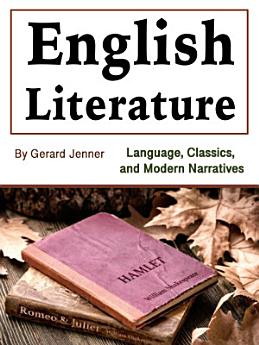
English Literature: Language, Classics, and Modern Narratives
About this ebook
Medieval English literature emerged from the confluence of Germanic warrior culture, Celtic storytelling traditions, and Christian theology, creating a unique literary synthesis that would establish fundamental patterns for all subsequent English writing. The anonymous scribes and poets who preserved these early works created more than entertainment; they forged a literary tradition that grappled with questions of individual identity, social responsibility, spiritual meaning, and human mortality that remain central to literature today.
Beowulf, composed sometime between the eighth and eleventh centuries, presents a hero whose strength and courage enable him to defeat supernatural monsters while ultimately facing the universal human fate of death and the inevitable passage of time. The poem's structure, moving from Beowulf's youthful victories against Grendel and his mother to his final battle with the dragon in old age, creates a meditation on the relationship between individual achievement and historical inevitability that would influence English narrative patterns for centuries to come.