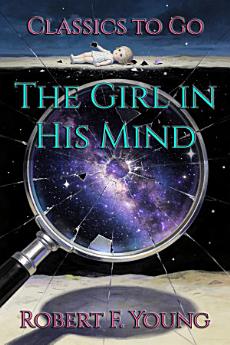
The Girl in His Mind: Restored Classics to Go Edition
About this ebook
Discover more
About the author
Robert F. Young was an American science fiction writer whose career unfolded in the mid-20th century, a period when the genre was expanding beyond rockets and gadgets into questions of love, memory, identity, and the deep strangeness of human feeling. Born in 1915 and active for decades in magazines and anthologies, he became known for a distinctly lyrical style that set him apart from more hard-edged contemporaries. Rather than relying on technical spectacle, he often built his stories around emotional intimacy, quiet wonder, and the bittersweet possibilities of contact between people, worlds, and even states of being. His most memorable work includes elegant, haunting tales that blend romance with speculative imagination, showing how science fiction can be as tender as it is inventive. Across his career, Young returned to themes of longing, loss, transformation, and the fragile boundary between reality and dream, themes that still resonate in an age shaped by loneliness, artificial intelligence, and the search for meaningful connection. His legacy lies in proving that science fiction can be both accessible and deeply poetic, offering readers not just ideas but feeling. Today, he remains especially rewarding for readers who enjoy classic science fiction with a human heart, as well as for anyone drawn to stories that linger in the mind long after the final page.