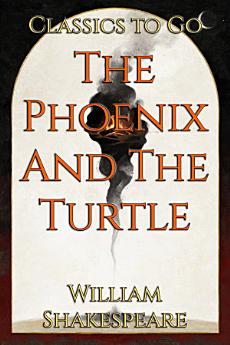
The Phoenix And The Turtle: Restored Classics to Go Edition
About this ebook
About the author
William Shakespeare, born in Stratford-upon-Avon in 1564 and later active in London as an actor, playwright, and shareholder in the Lord Chamberlain's Men, remains the most influential figure in English literature. Over the course of a remarkably productive career, he transformed the possibilities of drama and poetry, giving the stage some of its most enduring comedies, tragedies, histories, and lyrical verse. His work is celebrated for its extraordinary language, psychological depth, and ability to capture the contradictions of human nature with both wit and compassion. Across his writing, he explored ambition, love, jealousy, power, betrayal, grief, identity, and the fragile bonds that hold communities together, themes that still feel urgently modern in a world shaped by conflict, uncertainty, and changing ideas of selfhood. Even his more reflective and symbolic poetry reveals a mind fascinated by idealism, loss, and the tension between purity and reality. Shakespeare's legacy lies not only in the beauty of his lines but in the way he continues to shape how readers and audiences think about storytelling, emotion, and what it means to be human. He is especially rewarding for readers who enjoy rich language, vivid characters, and timeless insights into the complexities of life.