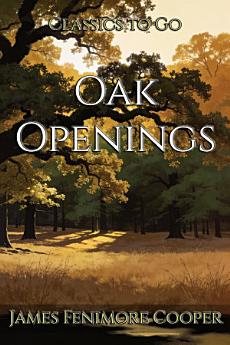
Oak Openings: Restored Classics to Go Edition
About this ebook
Discover more
About the author
James Fenimore Cooper was one of the first major American novelists, born in 1789 in New Jersey and raised on the frontier town of Cooperstown, New York, a place shaped by his family's landholding ambitions and the rapidly changing young republic. After brief study at Yale and service in the U.S. Navy, he turned to writing and helped define the American historical and frontier novel, becoming the first native-born writer to win wide international fame. Across a career that ranged from sea stories to frontier romances and tales of Native American life, he explored the tensions between wilderness and settlement, freedom and order, individual honor and social pressure. His fiction often reflects a deep fascination with the American landscape and with the costs of expansion, including conflict, displacement, and the fragility of cultures under pressure. That makes him especially relevant today, as readers continue to wrestle with questions of national identity, environmental change, and the moral complexity of history. Cooper's legacy lies not only in his influence on later adventure and historical fiction, but in the way he gave American literature a distinctive sense of place, motion, and ethical seriousness. He will appeal most to readers who enjoy classic adventure, early American history, and novels that combine action with larger questions about civilization, nature, and belonging.