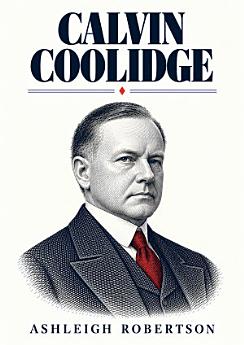
Calvin Coolidge
About this ebook
Elevated to the presidency in 1923 after the sudden death of Warren G. Harding, Coolidge restored integrity to an administration tarnished by scandal. Elected in his own right in 1924, he pursued a program of tax cuts, reduced spending, and limited government that coincided with the great economic expansion of the 1920s—the “Coolidge Prosperity.” Reserved to the point of legend and known as “Silent Cal,” he governed with deliberate restraint, signed landmark measures such as the Indian Citizenship Act and the Kellogg-Briand Pact, and then, in 1927, simply announced that he did not choose to run again.
The biography examines Coolidge’s personal losses, including the death of his younger son, his partnership with Grace Coolidge, his fiscal philosophy, and the lasting debate over his legacy: a model of limited government and personal integrity, or a president whose restraint left the nation unprepared for the crises that followed. It is a clear, chronological portrait of a man who believed the best government was the one that governed least.