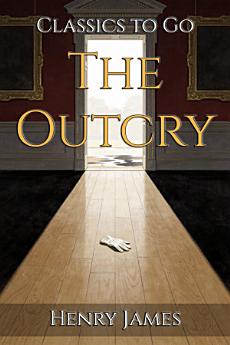
The Outcry: Restored Classics to Go Edition
About this ebook
Discover more
About the author
Henry James was born in New York City in 1843 and spent much of his life moving between the United States and Europe, a transatlantic existence that deeply shaped both his imagination and his understanding of culture, class, and identity. After an early education marked by travel and intellectual curiosity, he turned to writing with remarkable seriousness, eventually settling in England and becoming a British citizen late in life. Over the course of a long career, he produced novels, stories, plays, criticism, and travel writing of extraordinary subtlety, earning a reputation as one of the great masters of psychological fiction. His work is especially admired for its intricate prose, its finely tuned analysis of consciousness, and its fascination with the hidden motives behind social behavior. Again and again, he explored the tensions between innocence and experience, America and Europe, freedom and convention, and the costs of desire in a world governed by manners and money. These themes still feel strikingly modern because James understood how power can operate through conversation, etiquette, and perception, making his fiction a lasting guide to the complexities of human relationships. His legacy endures in the way he expanded what the novel could do, influencing generations of writers who value depth of character and moral ambiguity. Readers who enjoy elegant language, careful observation, and stories that reveal more beneath the surface will find Henry James especially rewarding.