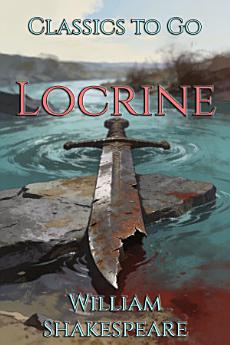
Locrine: Restored Classics to Go Edition
About this ebook
Discover more
About the author
William Shakespeare, born in Stratford-upon-Avon in 1564 and later active in London as an actor, playwright, and shareholder in a leading theater company, became the most celebrated dramatist in the English language. Rising from provincial roots to the center of Elizabethan and Jacobean theater, he wrote with remarkable speed and range, creating comedies, tragedies, histories, and romances that transformed the stage and expanded what drama could do. His plays and poems endure for their vivid language, psychological depth, and unforgettable characters, but also for the way they explore ambition, power, love, jealousy, betrayal, grief, and forgiveness. Although some early or disputed works are less central to his reputation than his greatest achievements, they still reflect the experimental energy of his career and the collaborative, competitive world of Renaissance theater. Shakespeare remains profoundly relevant because he understood human behavior with rare clarity: his characters struggle with desire, status, family conflict, and public pressure in ways modern readers still recognize. His legacy is everywhere in literature, theater, film, and everyday speech, and he continues to shape how we think about storytelling itself. Readers who enjoy rich language, timeless emotional conflict, and stories that feel both historical and startlingly modern will find Shakespeare especially rewarding.