About this ebook
Discover more
About the author
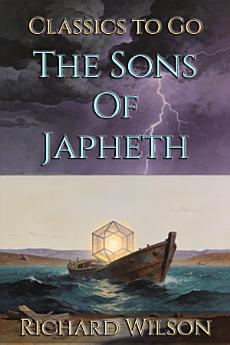
Richard Wilson was a British writer and critic whose career reflected a deep engagement with history, ideas, and the moral imagination. Born in the early twentieth century and shaped by the intellectual currents and upheavals of his time, he developed into a thoughtful observer of culture whose writing combined scholarly seriousness with a strong sense of narrative purpose. He is best remembered for work that explored the meeting point between faith, identity, and the long sweep of European civilization, and for prose that treated literary and historical questions with clarity rather than abstraction. Across his career, Wilson showed a particular interest in the forces that shape peoples and traditions, as well as the tensions between inheritance and change, themes that continue to resonate in an age still wrestling with memory, belonging, and cultural continuity. His significance lies not only in the quality of his criticism and historical imagination, but also in his willingness to ask large questions about how societies understand themselves. For modern readers, Wilson remains relevant because he offers a disciplined, humane way of thinking about the past without reducing it to slogans. Readers who enjoy intellectually serious historical writing, cultural reflection, and literature that explores identity and civilization will find his work especially rewarding.