A Comprehensive Summary and Analysis of Edison's Conquest Of Mars: Demanding Ebook Book
About this ebook
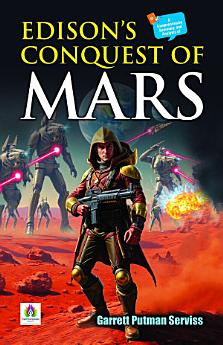
The book is fueled by Serviss’s fascination with the potential of technology and space exploration — themes that resonate strongly with the scientific curiosity of the era. As Edison and his team face challenges on the red planet, readers are treated to thrilling adventures, encounters with alien life forms, and the ultimate quest for understanding and conquest. The narrative not only entertains but also provokes thought about imperialism, human nature, and the importance of scientific progress, weaving through an innovative landscape that reflects the zeitgeist of the turn of the century.
Through vivid descriptions and imaginative storytelling, Edison's Conquest of Mars encapsulates the wonder and anxiety of a society on the brink of technological upheaval. It invites readers to contemplate the possibilities of the unknown and the moral implications of exploration and conquest. Serviss’s work remains a significant contribution to the science fiction genre, paving the way for future explorations of space and the human condition, leaving a lasting impression on readers with its blend of adventure, intellect, and socio-political insight.
Discover more
About the author
Garrett Putman Serviss, the pioneering author of Edison's Conquest of Mars, is celebrated for his significant contributions to science fiction in the late 19th century. His dynamic storytelling serves as a creative sequel to The War of the Worlds, showcasing his unique blend of adventure and exploration alongside rich socio-political commentary. In this innovative work, Serviss encapsulates the era's fascination with Mars and technological advancement, positioning the brilliant inventor Thomas Edison as a central figure in the narrative. His tales of alien encounters and scientific speculation reflect societal attitudes towards imperialism in literature and the future of technology. Edison's Conquest of Mars remains a hallmark of Victorian science fiction, offering readers a window into the cultural reflections and human nature explored through its imaginative storytelling and literary innovation.