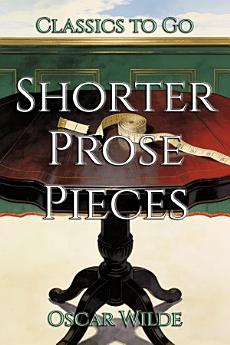
Shorter Prose Pieces: Restored Classics to Go Edition
About this ebook
About the author
Oscar Wilde was born in Dublin in 1854 and rose from a brilliant, unconventional Irish upbringing to become one of the most dazzling literary figures of the late Victorian era. Educated at Trinity College Dublin and Oxford, he quickly made a name for himself as a wit, aesthete, and public personality, turning his sharp intelligence and theatrical flair into a distinctive artistic identity. Over the course of a career cut tragically short by scandal, imprisonment, and exile, he produced a remarkable body of work that includes sparkling comedies, a haunting novel, fairy tales, essays, criticism, and shorter prose pieces that reveal the full range of his intelligence: playful, moral, subversive, and deeply human. His writing often explores the tension between appearance and reality, art and society, beauty and corruption, and the cost of living honestly in a world ruled by convention. Those themes still feel strikingly modern, especially in an age shaped by performance, social image, and public judgment. Wilde's legacy endures not only because he was a master stylist with an unforgettable voice, but because he understood how wit can expose hypocrisy and how elegance can carry serious truth. Readers today continue to find in him both delight and challenge: he is especially rewarding for anyone who loves incisive prose, moral complexity, and writing that is as entertaining as it is thought-provoking.