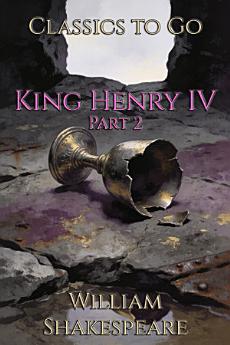
King Henry IV: Restored Classics to Go Edition
About this ebook
Discover more
About the author
William Shakespeare, born in Stratford-upon-Avon in 1564, rose from modest provincial origins to become the most celebrated playwright and poet in the English language. After marrying Anne Hathaway and raising a family, he made his way to London, where he built a career as an actor, shareholder, and writer for the stage, producing an astonishing body of work over the late Elizabethan and early Jacobean years. His achievements include comedies, tragedies, histories, and sonnets that transformed the possibilities of dramatic language, giving unforgettable shape to ambition, jealousy, love, grief, power, and moral conflict. In his history plays, he probed the burdens of kingship, public duty, and the instability of political life; in his comedies, he explored wit, disguise, and the unpredictability of desire; in his tragedies, he confronted the cost of pride, betrayal, and self-knowledge. What keeps Shakespeare so vital today is the clarity with which he captures human contradiction: his characters are never merely heroes or villains, but recognizably complex people struggling with choices that still feel modern. His work continues to resonate because it speaks to leadership, family tension, social ambition, identity, and the uneasy gap between appearance and truth. Shakespeare's legacy is not only literary but cultural, shaping the English language and setting a standard for dramatic storytelling that remains unmatched. Readers who enjoy rich character psychology, sharp language, political drama, and timeless insights into human nature will find him especially rewarding.