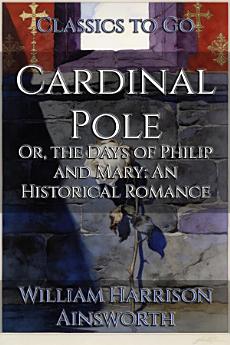
Cardinal Pole: Restored Classics to Go Edition
About this ebook
Discover more
About the author
William Harrison Ainsworth was an English novelist and editor born in Manchester in 1805, a writer who helped define the energetic, page-turning historical romance of the Victorian age. Trained in law but drawn to literature, he moved to London and became associated with the literary circles that shaped popular fiction in the nineteenth century. His career took off with a series of vivid novels that blended historical detail, sensational drama, gothic atmosphere, and a keen sense of place, earning him a wide readership and a reputation as one of the most entertaining storytellers of his time. He was especially skilled at bringing the past to life through scenes of political intrigue, rebellion, crime, and social unrest, while giving readers a strong sense of how power, ambition, and superstition shape human behavior. Across his work, Ainsworth explored themes that still resonate today: the tension between authority and conscience, the allure of spectacle, the instability of public reputation, and the way history is often made by outsiders and opportunists as much as by rulers. Though his fame later faded beside some of his contemporaries, his novels remain important for their influence on popular historical fiction and for their vivid, cinematic storytelling. Modern readers can still appreciate his flair for atmosphere, his dramatic pacing, and his fascination with the darker corners of English history. Those who enjoy richly imagined historical tales, gothic suspense, and lively depictions of power and intrigue will find Ainsworth especially rewarding.