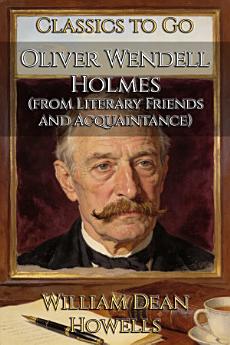
Oliver Wendell Holmes: Restored Classics to Go Edition
About this ebook
Discover more
About the author
William Dean Howells was a leading American novelist, editor, critic, and champion of literary realism whose life spanned a period of immense change in the United States, from the Civil War era into the early twentieth century. Born in Ohio and largely self-educated, he began as a printer and journalist before rising to become one of the most influential literary figures of his day, later serving as editor of major magazines and helping shape the careers of many younger writers. His fiction and criticism are best known for their clear-eyed attention to ordinary life, moral complexity, and the social pressures that shape personal choices, and he brought a humane, observant intelligence to subjects such as class, marriage, ambition, and the tension between idealism and practical realities. He also wrote memorable literary portraits and essays that reveal his gift for thoughtful conversation and his deep engagement with the writers and ideas of his time. Howells remains relevant today because he understood how social status, money, and convention affect the inner lives of people trying to live honestly, and his work still speaks to readers interested in realism, ethical nuance, and the everyday drama of American life. His legacy endures not only in his own writing but in the generations of authors he influenced by insisting that literature should be truthful, compassionate, and attentive to the world as it is. Readers who enjoy psychologically rich fiction, literary history, and subtle social observation will find him especially rewarding.