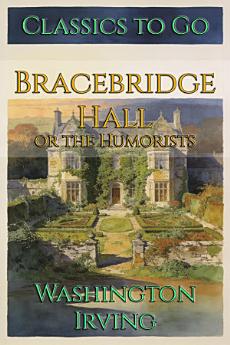
Bracebridge Hall: Restored Classics to Go Edition
About this ebook
Discover more
About the author
Washington Irving was one of the first major American writers to win an international audience, and his life traced the growing cultural confidence of the young United States. Born in New York City in 1783, he grew up in a bustling mercantile world, traveled widely in Europe, and spent years as a diplomat, editor, and man of letters before becoming celebrated on both sides of the Atlantic. He helped shape American prose with a graceful, witty style that blended observation, folklore, history, and gentle satire, and he became especially admired for his ability to make the past feel vivid, charming, and human. His writing often explores memory, tradition, national identity, and the comic oddities of everyday life, while also reflecting a deep affection for old customs and landscapes that were rapidly changing. That balance of nostalgia and irony still feels relevant today, especially in an age that often looks back at cultural roots while moving quickly forward. Irving's legacy lies in his role as a bridge between European literary traditions and an emerging American voice, and readers still value him for his elegance, humor, and storytelling warmth. He will especially appeal to readers who enjoy classic prose, atmospheric tales, and witty reflections on society and history.