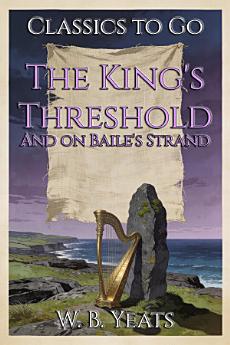
The King's Threshold: Restored Classics to Go Edition
About this ebook
Discover more
About the author
W. B. Yeats, born in Dublin in 1865 and raised between Ireland and England, became one of the defining literary voices of the modern era, shaping poetry, drama, and cultural life with a rare blend of mysticism, political feeling, and artistic discipline. After early experiments influenced by Romanticism and folklore, he helped lead the Irish Literary Revival, co-founded the Abbey Theatre, and went on to become a central figure in the transformation of English-language poetry in the twentieth century. His work moved from lush symbolist dreamscapes to a more spare, forceful style, reflecting both personal aging and the upheavals of Irish history, public conflict, and private longing. Across his poems and plays, Yeats returned again and again to themes of memory, national identity, desire, art, spiritual searching, and the struggle between idealism and the harshness of reality, giving those concerns a form that still feels vivid today. His legacy endures not only because of his technical brilliance and imaginative range, but because he understood how deeply art can respond to political change, cultural loss, and the search for meaning in unstable times. Readers who are drawn to lyrical language, haunting symbolism, Irish history, or drama with a strong sense of myth and moral tension will find Yeats especially rewarding.