關於這本電子書
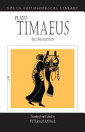
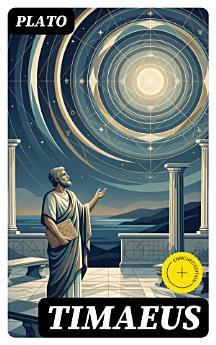
In "Timaeus," Plato presents a profound exploration of the cosmos, weaving together philosophical inquiry and natural science through the dialogue of Timaeus, Critias, and Socrates. At its core, the text delves into the nature of the universe, positing a world created by a divine craftsman and emphasizing the importance of mathematics in understanding reality. This work reflects Plato's innovative literary style, characterized by rich metaphors and allegorical narratives. Stylistically, it intertwines philosophical discourse with speculative cosmology, setting the stage for later developments in both metaphysics and natural philosophy. Plato, the eminent Athenian philosopher and student of Socrates, wrote "Timaeus" around 360 BCE, during a period that sought to reconcile myth with reason. His experiences in the tumultuous political landscape of Athens, coupled with the influence of Pythagorean thought, shaped his contemplation of the cosmos and the human condition. This work is not only a testament to his philosophical legacy but also reflects his intention to bridge the realms of science and spirituality. "Timaeus" is essential for anyone interested in the foundations of Western philosophy and science. It invites readers to engage in a deep intellectual journey that probes the essence of existence and the ordered beauty of the universe. Those seeking to understand the origins of philosophical discourse will find in Plato's text a timeless and illuminating source. In this enriched edition, we have carefully created added value for your reading experience: - A succinct Introduction situates the work's timeless appeal and themes. - The Synopsis outlines the central plot, highlighting key developments without spoiling critical twists. - A detailed Historical Context immerses you in the era's events and influences that shaped the writing. - An Author Biography reveals milestones in the author's life, illuminating the personal insights behind the text. - A thorough Analysis dissects symbols, motifs, and character arcs to unearth underlying meanings. - Reflection questions prompt you to engage personally with the work's messages, connecting them to modern life. - Hand‐picked Memorable Quotes shine a spotlight on moments of literary brilliance. - Interactive footnotes clarify unusual references, historical allusions, and archaic phrases for an effortless, more informed read.
In "Timaeus," Plato presents a profound exploration of the cosmos, weaving together philosophical inquiry and natural science through the dialogue of Timaeus, Critias, and Socrates. At its core, the text delves into the nature of the universe, positing a world created by a divine craftsman and em...
關於作者
Plato, the illustrious philosopher of ancient Greece, is often hailed as one of the seminal figures in Western philosophy. His life spanned 427 to 347 BC, and his writings have laid the groundwork for much of Western thought and culture. Plato was a student of Socrates and later became the teacher of Aristotle, forming a lineage of thinkers that have profoundly influenced philosophy. He founded the Academy in Athens, one of the earliest known organized schools in Western civilization, where he taught until his death. The body of work Plato left behind is both extensive and profound, encompassing a variety of dialogues and letters. Among his many contributions to philosophy, the 'Timaeus' stands out as a significant work that delves into cosmology, the natural world, and the role of the demiurge in the creation of the universe. In traditional Platonic fashion, the dialogue covers themes such as the nature of physical reality and the concept of perfection. Timaeus, the titular character, presents an elaborate cosmological account that has been studied and debated over the centuries. Plato's literary style blends poetic myth with rigorous argumentation, making his work challenging yet immensely rewarding to study. His influence spans the humanities, impacting fields such as metaphysics, ethics, epistemology, and political theory. Plato's writings are still considered central texts in the Western philosophical canon and continue to be studied for their wisdom and insight into the human condition.
Plato, the illustrious philosopher of ancient Greece, is often hailed as one of the seminal figures in Western philosophy. His life spanned 427 to 347 BC, and his writings have laid the groundwork for much of Western thought and culture. Plato was a student of Socrates and later became the teache...
為這本電子書評分
請分享你的寶貴意見。
閱讀資訊
智能手機和平板電腦
手提電腦和電腦
你可以使用電腦的網絡瀏覽器聆聽在 Google Play 上購買的有聲書。
電子書閱讀器及其他裝置
如要在 Kobo 等電子墨水裝置上閱覽書籍,你需要下載檔案並傳輸到你的裝置。請按照說明中心的詳細指示,將檔案傳輸到支援的電子書閱讀器。