ഈ ഇ-ബുക്കിനെക്കുറിച്ച്
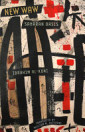
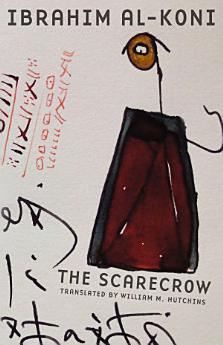
The Scarecrow is the final volume of Ibrahim al-Koni’s Oasis trilogy, which chronicles the founding, flourishing, and decline of a Saharan oasis. Fittingly, this continuation of a tale of greed and corruption opens with a meeting of the conspirators who assassinated the community’s leader at the end of the previous novel, The Puppet. They punished him for opposing the use of gold in business transactions—a symptom of a critical break with their nomadic past—and now they must search for a leader who shares their fetishistic love of gold. A desert retreat inspires the group to select a leader at random, but their “choice,” it appears, is not entirely human. This interloper from the spirit world proves a self-righteous despot, whose intolerance of humanity presages disaster for an oasis besieged by an international alliance. Though al-Koni has repeatedly stressed that he is not a political author, readers may see parallels not only to a former Libyan ruler but to other tyrants—past and present—who appear as hollow as a scarecrow.
The Scarecrow is the final volume of Ibrahim al-Koni’s Oasis trilogy, which chronicles the founding, flourishing, and decline of a Saharan oasis. Fittingly, this continuation of a tale of greed and corruption opens with a meeting of the conspirators who assassinated the community’s leader at the ...
കൂടുതൽ കണ്ടെത്തൂ
രചയിതാവിനെ കുറിച്ച്
Born in 1948 to a nomadic Saharan family, Ibrahim al-Koni is an award-winning Arabic-language novelist and has already published more than seventy volumes. A Tuareg whose mother tongue is Tamasheq, he was educated in Moscow and, after many years in Switzerland, now lives in Spain. He is one of the prime authorities on Tuareg culture and folklore.William M. Hutchins, Professor in the Philosophy and Religion Department at Appalachian State University, has translated numerous works of Arabic literature into English, including four novels by the Nobel Prize laureate Naguib Mahfouz. He has received two grants from the National Endowment for the Arts for literary translation, both for works by Ibrahim al-Koni. He was co-winner of the 2013 Saif Ghobash Banipal Prize for Arabic Literary Translation for A Land Without Jasmine by Wajdi al-Ahdal.
Born in 1948 to a nomadic Saharan family, Ibrahim al-Koni is an award-winning Arabic-language novelist and has already published more than seventy volumes. A Tuareg whose mother tongue is Tamasheq, he was educated in Moscow and, after many years in Switzerland, now lives in Spain. He is one of th...
ഈ ഇ-ബുക്ക് റേറ്റ് ചെയ്യുക
നിങ്ങളുടെ അഭിപ്രായം ഞങ്ങളെ അറിയിക്കുക.
വായനാ വിവരങ്ങൾ
സ്മാർട്ട്ഫോണുകളും ടാബ്ലെറ്റുകളും
Android, iPad/iPhone എന്നിവയ്ക്കായി Google Play ബുക്സ് ആപ്പ് ഇൻസ്റ്റാൾ ചെയ്യുക. ഇത് നിങ്ങളുടെ അക്കൗണ്ടുമായി സ്വയമേവ സമന്വയിപ്പിക്കപ്പെടുകയും, എവിടെ ആയിരുന്നാലും ഓൺലൈനിൽ അല്ലെങ്കിൽ ഓഫ്ലൈനിൽ വായിക്കാൻ നിങ്ങളെ അനുവദിക്കുകയും ചെയ്യുന്നു.
ലാപ്ടോപ്പുകളും കമ്പ്യൂട്ടറുകളും
Google Play-യിൽ നിന്ന് വാങ്ങിയിട്ടുള്ള ഓഡിയോ ബുക്കുകൾ കമ്പ്യൂട്ടറിന്റെ വെബ് ബ്രൗസർ ഉപയോഗിച്ചുകൊണ്ട് വായിക്കാവുന്നതാണ്.
ഇ-റീഡറുകളും മറ്റ് ഉപകരണങ്ങളും
Kobo ഇ-റീഡറുകൾ പോലുള്ള ഇ-ഇങ്ക് ഉപകരണങ്ങളിൽ വായിക്കാൻ ഒരു ഫയൽ ഡൗൺലോഡ് ചെയ്ത് അത് നിങ്ങളുടെ ഉപകരണത്തിലേക്ക് കൈമാറേണ്ടതുണ്ട്. പിന്തുണയുള്ള ഇ-റീഡറുകളിലേക്ക് ഫയലുകൾ കൈമാറാൻ, സഹായ കേന്ദ്രത്തിലുള്ള വിശദമായ നിർദ്ദേശങ്ങൾ ഫോളോ ചെയ്യുക.